


A home inspection is one of the clearest ways to understand a Suffolk property before moving forward with a purchase. Knowing what inspectors review, how to read the report, and when to ask for guidance can turn a long checklist into a confident, practical next step.
What a Home Inspection Is Designed to Do
Once an offer is accepted, the inspection period gives buyers an opportunity to look beyond fresh paint, room sizes, and curb appeal. A licensed home inspector generally evaluates visible and accessible components of the home, helping identify conditions that may need repair, maintenance, further review, or simple monitoring. The inspection is not a pass-or-fail test; it is an informed snapshot of the property on the day it is examined.
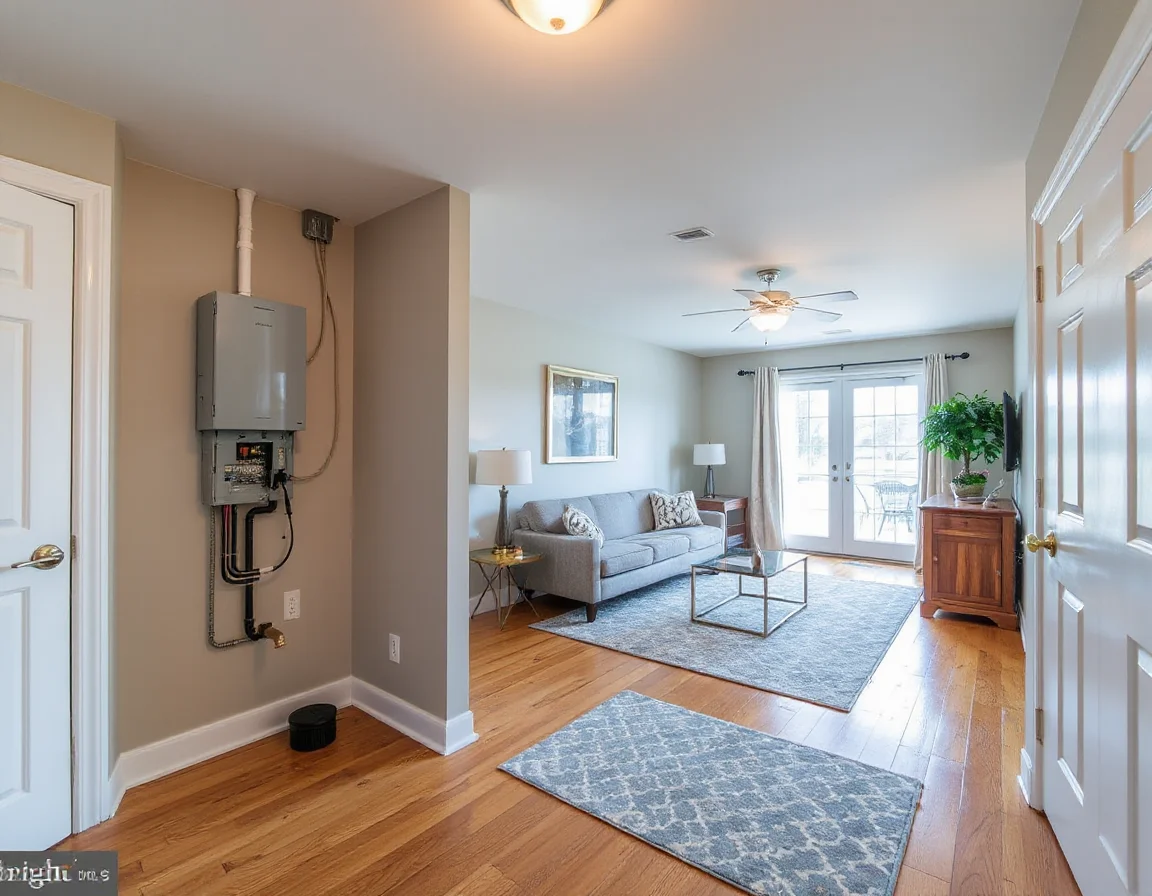
For a typical Suffolk home, the review often includes the roof, exterior surfaces, foundation area, heating and cooling equipment, plumbing fixtures, electrical components, windows, doors, attic spaces when accessible, and major interior systems. Inspectors may note signs of moisture, aging materials, drainage concerns, wear around fixtures, or components near the end of their expected service life. They do not generally open walls, move furniture, predict future performance, or guarantee that every issue can be found.
That distinction matters. A report can be detailed because thorough documentation is useful, not necessarily because the property has unusual problems. Even well-maintained homes can have a long list of observations. The most helpful approach is to separate routine upkeep from repairs that affect safety, function, budget planning, or the ability to obtain insurance or financing.
A lengthy inspection report is common. Focus first on items involving water intrusion, structural movement, active system failures, electrical concerns, and recommendations for a qualified specialist.
Before the appointment, review the contract timeline and confirm how inspection-related decisions will be handled. Buyers commonly have a defined window to complete due diligence, request repairs or credits where appropriate, negotiate an adjustment, proceed as written, or end the contract according to the terms in place. Careful attention to dates keeps the process organized and preserves options.
Preparing for Inspection Day in Suffolk
Attending the inspection, when possible, can make the written report much easier to understand. The appointment is a chance to see where shutoffs are located, ask about routine maintenance, and hear the inspector explain the difference between an immediate issue and a future planning item. It is often more productive to save detailed questions for the end, when the inspector can summarize the most significant findings.
Bring a notebook or use a phone to record follow-up questions, but let the inspector work through the property without interruption. Ask which concerns should be reviewed by a contractor, whether a component appears to be functioning as intended, and what maintenance may help extend its useful life. If the home includes features such as a fireplace, private well, septic system, pool, dock, detached structure, or older mechanical equipment, discuss whether separate specialty inspections are advisable.
Conditions in coastal Virginia can also make exterior maintenance especially important. Rain, humidity, seasonal storms, and drainage patterns can affect roofing, gutters, crawl spaces, exterior trim, and grading over time. An inspector may point out evidence of past repairs or conditions that deserve a closer look, while a qualified specialist can provide a more targeted diagnosis and estimate when needed.
It is also useful to remember that a general home inspection is different from an appraisal. The appraisal is primarily concerned with value for the lender’s purposes, while an inspection helps the buyer understand the property’s visible condition. Both can be important parts of a financed purchase, but they answer different questions.
How to Read the Report Without Becoming Overwhelmed
Most inspection reports use photos, descriptions, and categories to organize findings. Start with the summary, then read the full report so that context is not lost. A short summary item may be explained in more detail elsewhere, including its location, likely cause, and recommended next action.
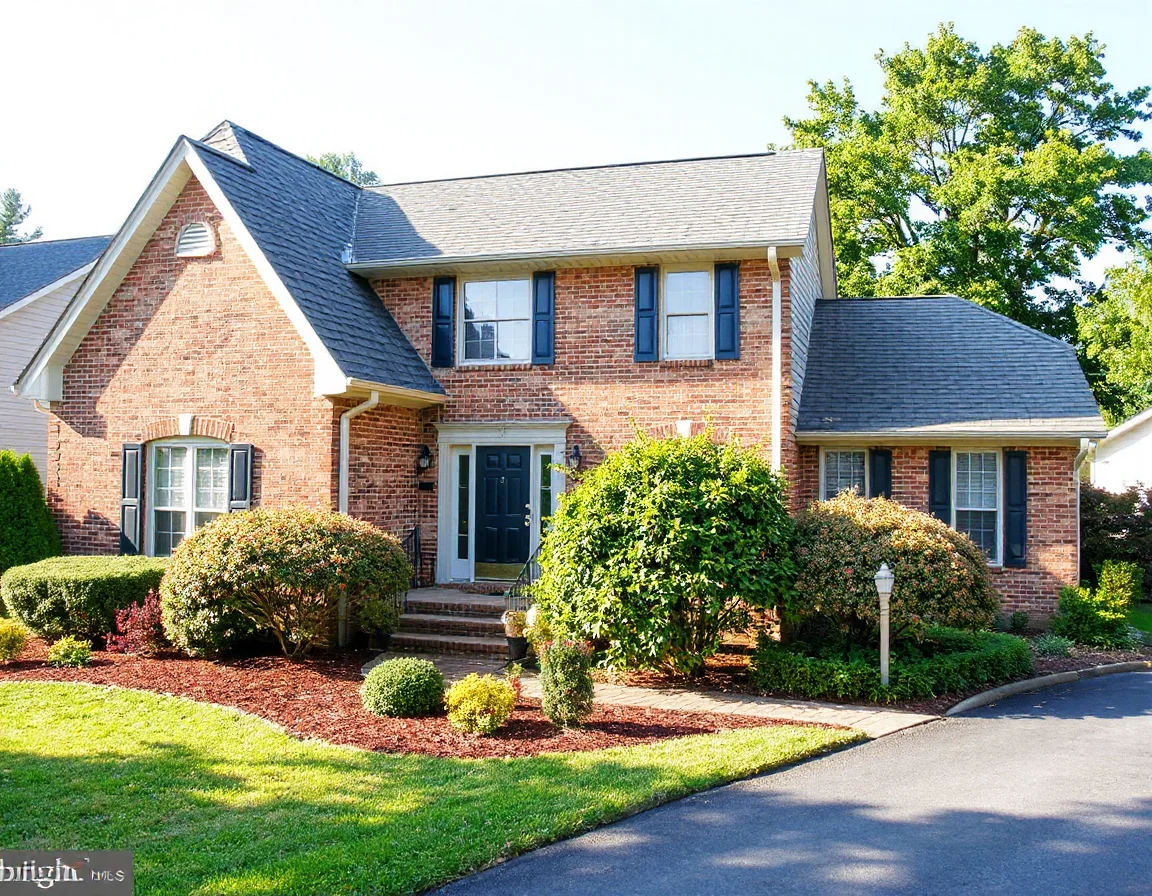
A practical way to review the report is to sort observations into three groups. First are material concerns that may require prompt attention, such as active leaks, unsafe electrical conditions, significant structural questions, or equipment that is not operating. Second are items to budget for soon, including aging systems, worn seals, missing handrails, or exterior maintenance. Third are ordinary maintenance tasks, such as caulking, cleaning gutters, replacing filters, or adjusting a door latch.
Not every finding should become part of a repair request. Negotiations tend to be clearer when they prioritize substantial concerns and avoid turning normal maintenance into a list of demands. Your agent can help you compare the report with the home’s age, price, condition, competing market factors, and the terms of your offer. When a specialist is recommended, obtain information from the appropriate licensed professional before making a major decision.
A repair request should be specific whenever possible. Rather than asking for a broad promise to “fix everything,” reference the issue, the relevant report section, and the preferred resolution. In some situations, a seller-completed repair makes sense. In others, a credit, price adjustment, or decision to handle work after closing may better fit the transaction. The right path depends on the contract, timing, lender guidelines, and the buyer’s comfort level.
The strongest inspection decisions are based on verified information, not just the wording of a report. When a specialist is recommended, ask for the scope of work, estimated cost, and timing before deciding how to respond.
Moving Forward With a Clear Plan
An inspection can feel like a turning point because it replaces assumptions with details. That clarity is valuable whether the report reveals only routine maintenance or identifies a project requiring more discussion. Keep copies of the report, specialist evaluations, repair invoices, and any written agreements; these records can be useful before closing and later as a homeowner.
For buyers considering a first purchase, a VA loan, an investment property, or a move within the Suffolk area, preparation makes the process easier to navigate. Review the contract deadlines early, allow room for follow-up evaluations when possible, and keep communication centered on the property’s condition and the next practical step. A thoughtful inspection strategy does not eliminate every future repair, but it can help you move ahead with better information and a stronger sense of what ownership may involve.
Buy your dream house with confidence
Ultimately, confidence comes from asking useful questions and putting the findings in perspective. Homes require ongoing care, and no inspection can predict every future expense. What it can provide is a grounded understanding of the home you are considering—so you can make a decision that fits your priorities, timeline, and plans for the property.